The Future of Dynamic QR in Retail
Executive Summary
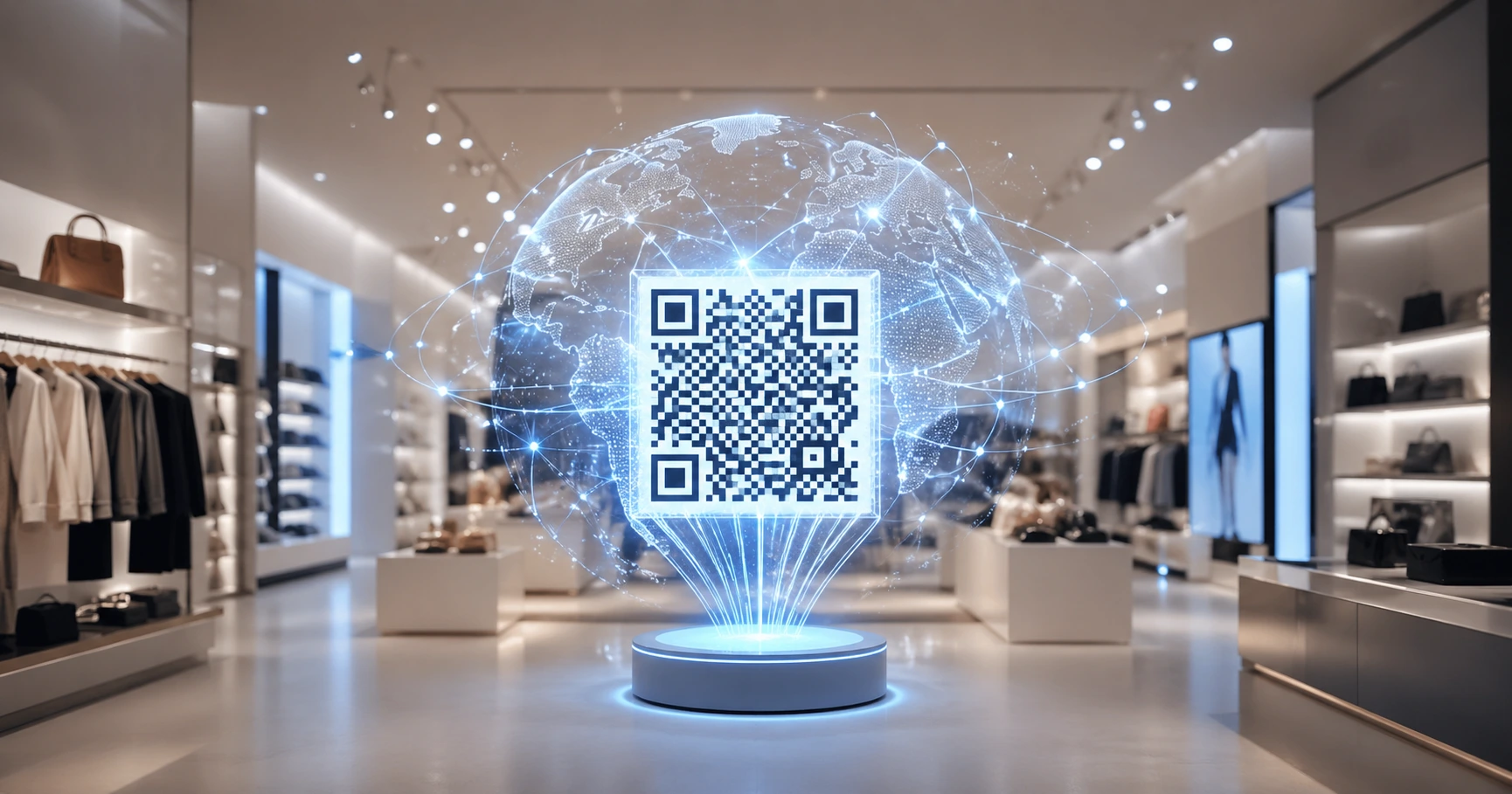
Dynamic QR codes powered by edge infrastructure allow retailers to instantly update physical store campaigns without the cost of reprinting. By utilizing real-time redirect engines, modern retail brands can bridge the physical-to-digital gap, ensuring seamless customer interactions with zero latency.
What is a Dynamic QR Code in Retail?
A dynamic QR code is a scannable matrix barcode that directs users to an intermediary short URL, allowing the final destination link to be modified at any time. In a retail setting, this means a single printed code on a shelf talker or window display can point to today's flash sale and tomorrow's product tutorial. Instead of treating physical signage as static, retailers can treat it as an adaptable digital interface. QRhub enhances this deployment by providing a premium 8-piece high-resolution export kit (SVG & PNG) for every generation, ensuring the code scans perfectly whether printed on a small garment tag or a massive storefront window.
The Role of Edge-Based Redirects
When a customer scans a code, the underlying redirect engine must immediately route their mobile device to the intended destination. Traditional centralized routing can introduce critical seconds of latency, especially for international brands. Edge-based redirects solve this by processing the routing request at a server physically closest to the scanning device. QRhub is built on a Global Edge Infrastructure, deploying links to hundreds of cities simultaneously. This technological foundation ensures millisecond response times and 100% uptime, preventing shoppers from abandoning a scan due to slow loading speeds.
Real-Time Campaign Agility Without Reprinting
The operational cost of reprinting and physically redistributing marketing materials is a significant bottleneck for multi-location retailers. Dynamic codes completely eliminate this overhead. Marketing teams can instantly pivot campaigns or run physical A/B tests based on live inventory levels, time of day, or sudden promotional changes. With QRhub's premium dynamic solutions, brands can edit destination URLs seamlessly in the backend while maintaining their custom color styling. Because these generated codes have lifetime validity, a fixture printed once can serve dynamic content indefinitely.
Bridging the Gap with Analytics
Offline attribution has historically been the missing link in retail marketing. It is exceptionally difficult to measure the exact ROI of an in-store display. Dynamic QR codes solve this by capturing anonymized scan data before completing the redirect. Retailers can track which store locations generate the most engagement, peak scan times, and the operating systems customers are using. Through QRhub's Premium Pro tier, brands gain access to advanced daily scan analytics—tracking geographic locations and devices securely—all while maintaining a strict zero-ad policy to ensure corporate security and brand integrity.
Explore the Strategy Cluster

Try QRhub for free
Generate a professional-grade QR code with zero signup and zero funny business. Every generation includes our premium 8-piece high-resolution kit.
Related Questions
Can I change a QR code destination after it is printed?
Yes, provided you are using a dynamic QR code. Dynamic codes point to a short URL redirect engine rather than the final destination. With QRhub's dynamic solutions, you can edit the destination URL at any time without needing to reprint the physical code.
Why is redirect speed important for in-store QR codes?
High redirect latency causes shopper drop-off, especially in environments with variable cellular reception. Utilizing a Global Edge Infrastructure, like QRhub's network which deploys links to hundreds of cities simultaneously, ensures millisecond response times and prevents abandoned scans.